Nobel Prize in Chemistry 2023: Miniscule Colour-Emitting Dots
Tiny but mighty: Quantum dots are being used to improve and refine the colours that we can see in television sets and in lighting. The Nobel Prize in Chemistry 2023 is awarded to Moungi G. Bawendi, Louis E. Brus and Aleksey Yekimov for the discovery and development of these particles.
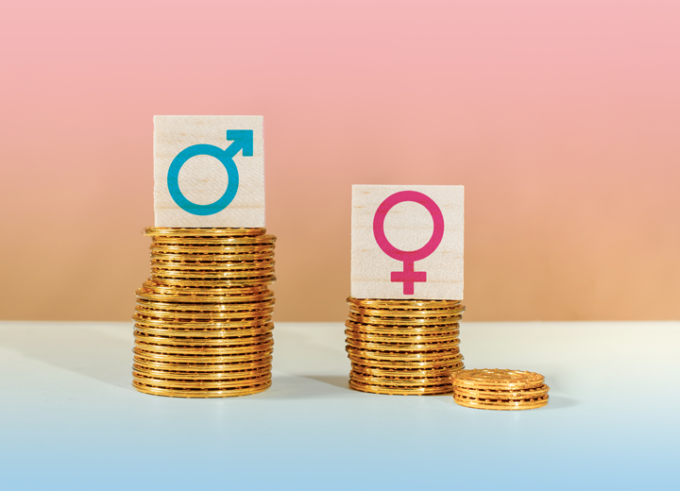
Sveriges Riksbank Prize in Economic Sciences 2023: Uncovering the Key Drivers Behind Gender Differences in Pay and Employment
Claudia Goldin will receive the Economics Prize for her pioneering research that explained why gender differences in earnings and employment rates had changed over time.
#LINO23 Alumna Shatarupa Bhattacharya: Enthusiasm and Motivation Matter
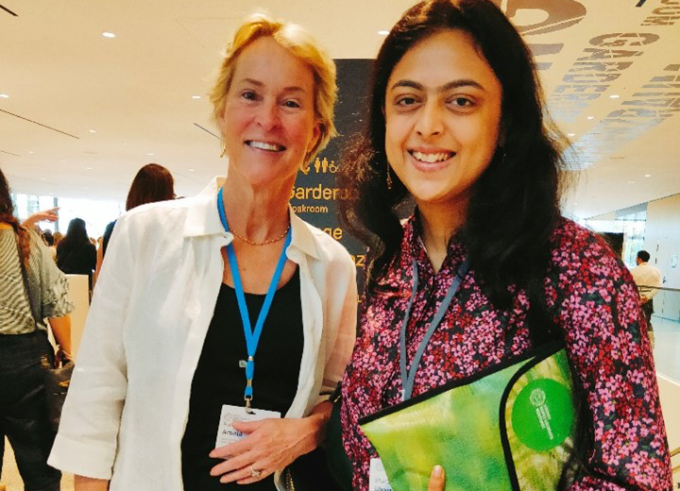
Shatarupa Bhattacharya focuses on the genetic disorder thalassemia as well as on blood-borne infectious diseases such as malaria and toxoplasmosis. She shared her #LINO23 experiences and reviewed her career as a female scientist from India.
Integrating Artificial Intelligence into Healthcare: Ethical Frontiers
Lindau Alumnus Polat Goktas participated in the Physics Meeting 2016. Learn more about his experiences in Lindau and his professional odyssey, taking him from Ankara to the corridors of Harvard Medical School, and eventually leading him to the historic beauty of Dublin, focusing on various fields of artificial intelligence.
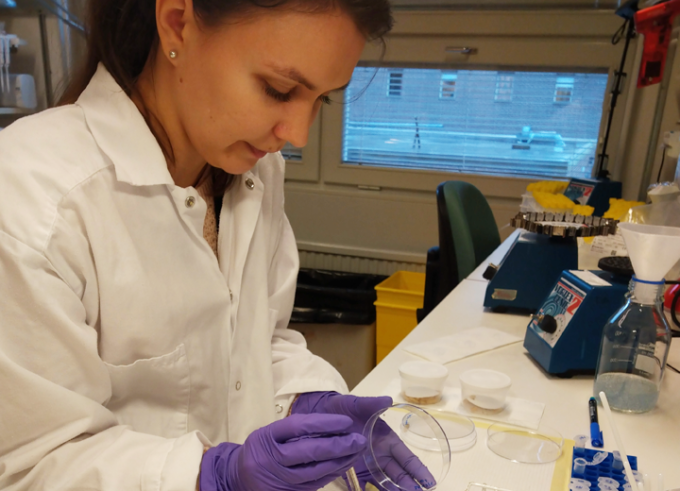
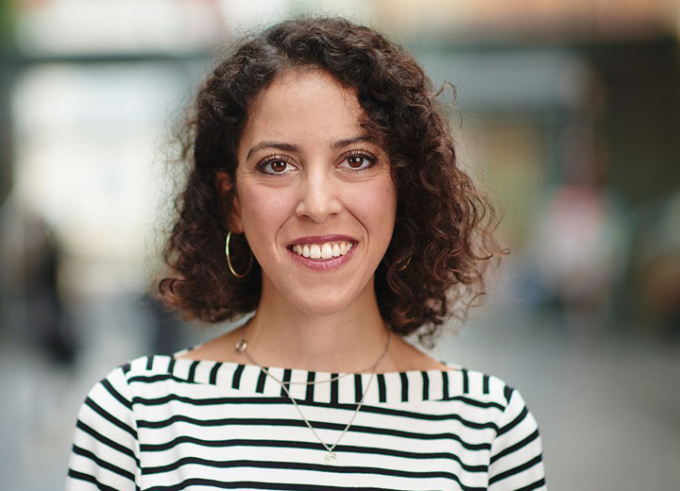
Greta studies how the critically important bacterial pathogen, Klebsiella pneumoniae, evolves inside human hosts during colonisation and infection and explores it can improve its biofilm formation.
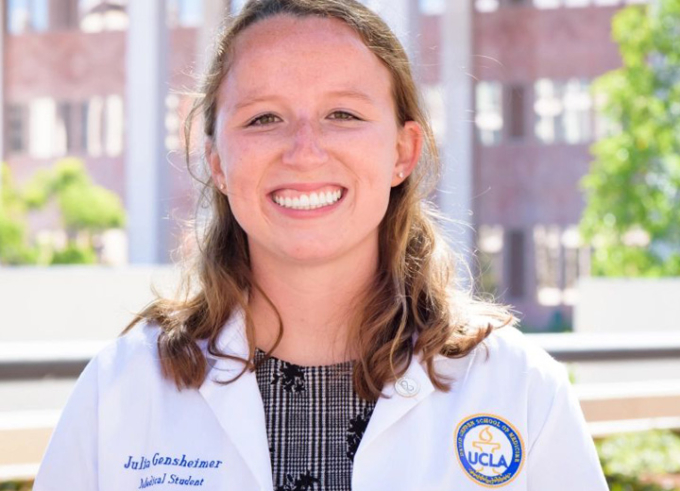
Julia Gensheimer studies T cell development from hematopoietic stem and progenitor cells at UCLA. She hopes the findings will influence regenerative medicine and therapies for age-related diseases.
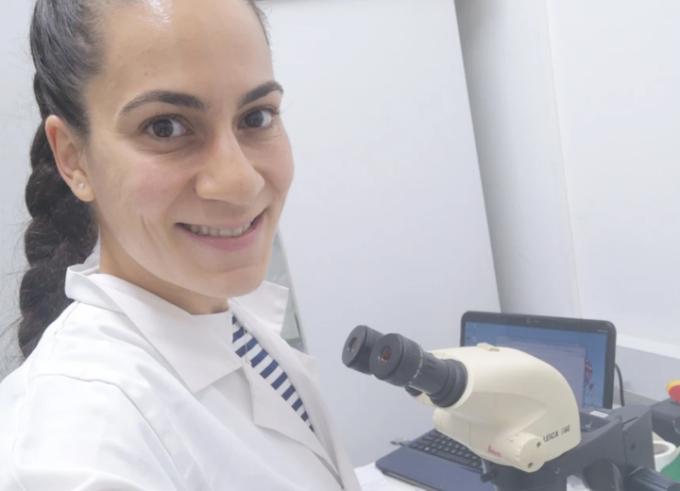
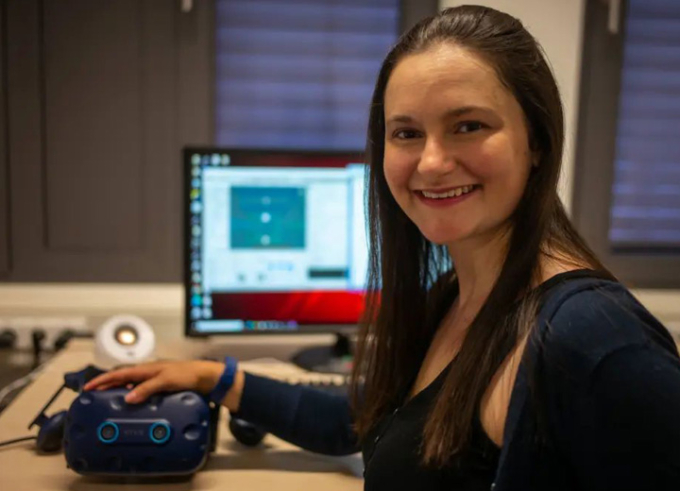
Our eyes are constantly moving, allowing us to process the world around us. Avi studies the eye movements we make as we move around our natural world and in environments like virtual reality. She is one of the "Women in Research" portrayed in the blog series by Ulrike Böhm.
Addressing Climate Change at the Nexus of Technology, Business, and Policy
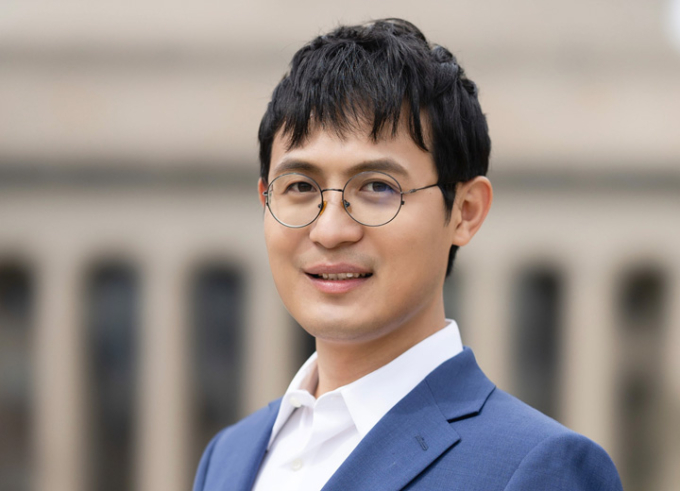
Climate Change forces humanity to hurry to find solutions to make an impact at scale. Xiangkun (Elvis) Cao, Schmidt Science Fellow at MIT, Activate Fellow, and 2022 Lindau Alumnus, works in the field of carbon management as a component to address climate change.